

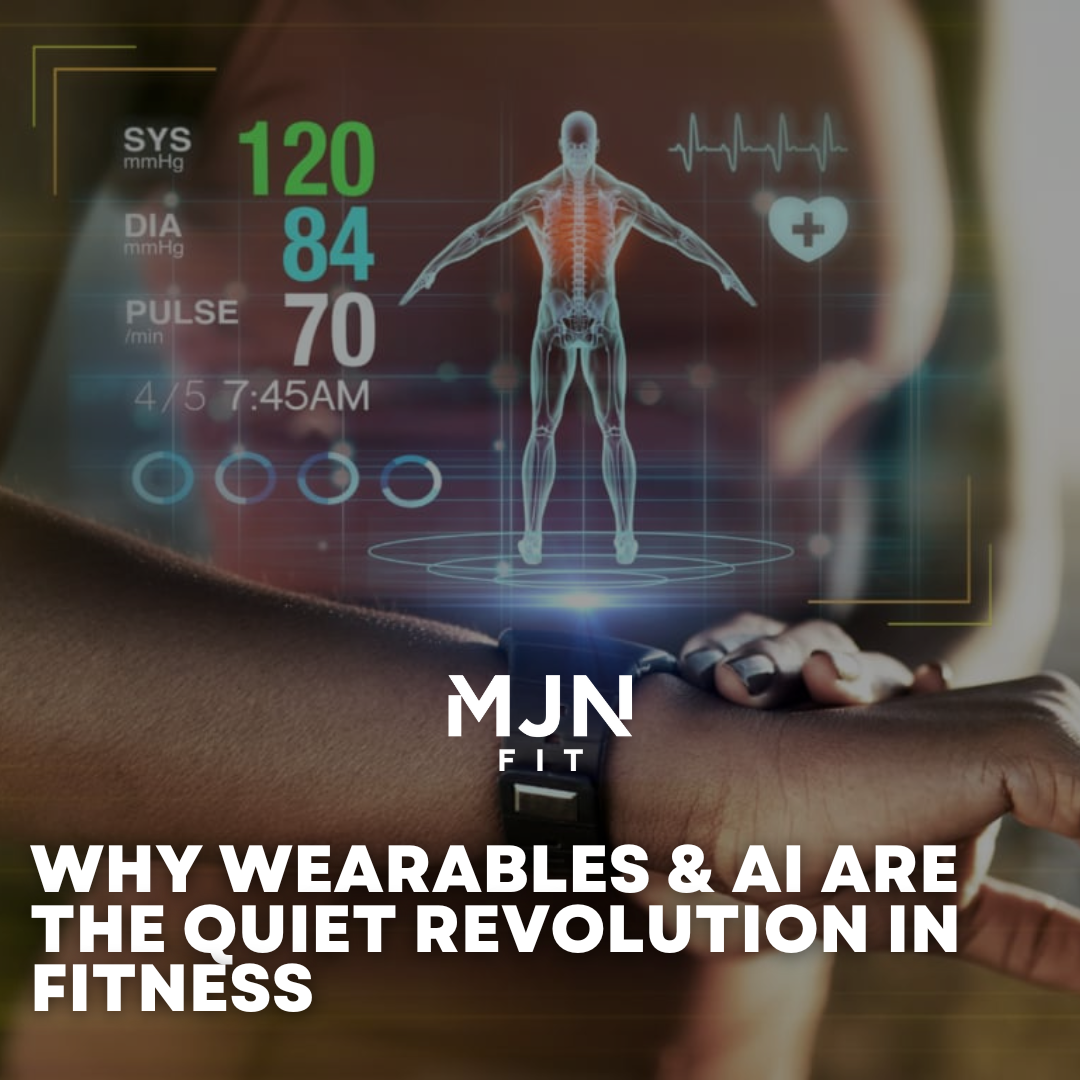
Why Wearables & AI Are the Quiet Revolution in Fitness and How to Use Them Properly
Wearables and AI aren’t the future of fitness; they’re already here. But while most people chase numbers, those who know how to use these tools smartly are getting real results. Here’s how to integrate wearables and AI into your training for performance, recovery, and results without the fluff.
The Rise of Smart Fitness Tech
According to the American College of Sports Medicine’s 2025 report, wearable technology has taken the top spot in global fitness trends. From Whoop and Oura to Apple Watch and Garmin, millions are tracking heart rate, sleep, HRV, strain, and more. The difference now? AI is integrating with this data, offering real-time workout suggestions and recovery cues.
This shift marks a quiet revolution: people are finally moving away from generic workouts toward data-driven, personalised fitness that adapts with their body and schedule.
My Take: 2 Years of Whoop Use
I’ve personally used Whoop for two years straight, and I found it incredibly valuable, especially for sleep tracking and recovery awareness. It helped gamify my habits and gave me accountability when it came to managing stress, sleep routines, and training load.
That said, it’s easy to let it become obsessive. I’ve had days where my recovery score was low, and I let that dictate how I felt or even if I should train. But here’s the truth: no device knows your body better than you do. Use it as a guide, not a gospel.
What Works and Why It Matters
Wearables have gone far beyond counting steps. Today’s tech delivers insights like:
- Heart rate variability (HRV): Guides recovery and training readiness.
- Sleep tracking: Reveals quality, not just quantity, to support recovery decisions.
- Daily strain/load: Helps determine whether to push, train light, or rest.
- AI-generated workout plans: Adjust sessions based on your metrics to reduce overtraining or underperformance.
When combined with smart coaching and structured programming, this provides a significant advantage.
Common Misuses (And How MJNFit Does It Differently)
Here’s where most people go wrong:
Obsessing over numbers, not results. Chasing 10k steps daily doesn’t guarantee better fitness.
Over-tracking stress. Ironically, tracking everything can increase anxiety.
Blind trust in AI workouts with no real structure or long-term vision.
At MJNFit, wearables are tools to guide decisions, not to dictate your entire routine. We coach around context: your sleep, your stress, your goals, not just your step count.
How to Integrate Smart Tech (Without Overload)
Want to make the most of your wearable or app? Here’s how:
- Track what matters: HRV, sleep quality, and training strain are more useful than just calories burned.
- Zoom out: Look at weekly trends, not daily fluctuations.
- Train with intent: Let AI suggestions support, not replace your main training plan.
- Use recovery metrics wisely: Don’t skip every session when your Whoop gives you a red score. Learn to assess context.
- Link it to goals: Whether fat loss, muscle gain, or performance, use data to adjust nutrition, sleep, or training intensity.
The Real Benefits
- Improved training decisions based on recovery and readiness.
- Enhanced accountability through wearable reminders.
- Reduced risk of burnout by monitoring load.
- Stronger habits, when tech supports routine, not replaces it.
With smart coaching, wearables can elevate everything from fat loss to mental focus, while keeping your training sustainable.
Final Takeaway
You don’t need to become a data analyst. But if you ignore the tools available, you’ll be left behind. Wearables and AI aren’t shortcuts; they’re accelerators when used with purpose and clarity.
If you want a training plan that blends wearable insights, smart coaching, and sustainable structure, apply to MJNFit today. Let’s turn your data into results that matter.