

Fuelling Your Transformation
Fitness is not solely determined by the hours you spend in the gym, it is equally about how you nourish your body and ensure it recovers properly. At MJNFit, we have witnessed firsthand how a balanced approach to nutrition and recovery underpins sustainable progress. In this post, we explore why these elements are essential for transforming both body and mind, and we offer practical ways to integrate them into your daily routine.
Fueling Your Workouts
Nutrition is the cornerstone of any successful fitness journey. The food you consume does far more than provide energy; it supplies the vital building blocks for muscle repair, growth, and overall recovery. A well-balanced diet, incorporating the right proportions of proteins, carbohydrates, and healthy fats, enables you to perform at your peak and recover more swiftly after strenuous sessions. Think of your meals as premium fuel, designed to empower you through challenging workouts while replenishing your body with the nutrients it needs to rebuild.
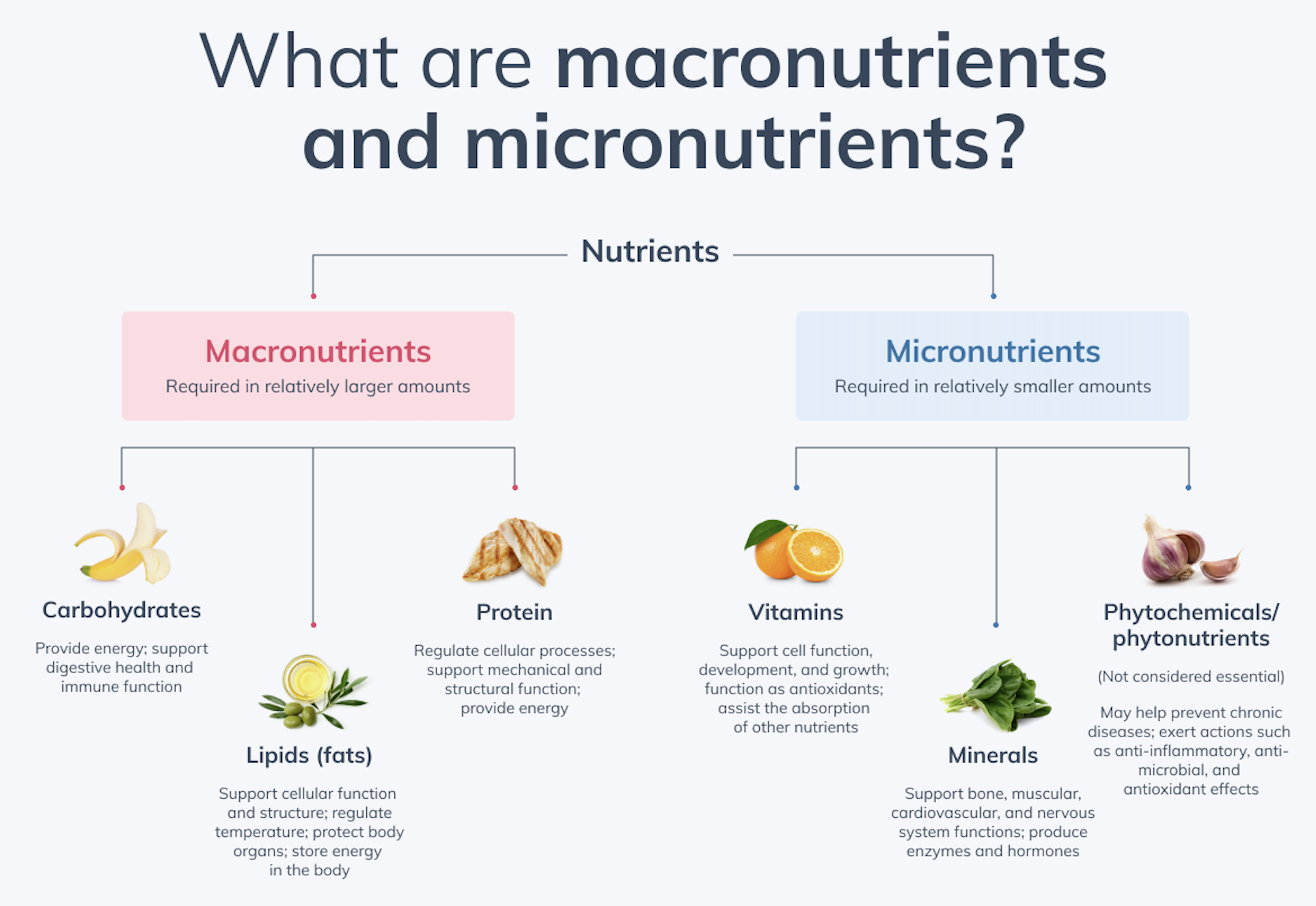
- Proteins: Fundamental for muscle repair and recovery, aim to include lean sources such as chicken, fish, tofu, or legumes in every meal.
- Carbohydrates: These supply the energy essential for high-intensity training. Whole grains, fruits, and vegetables not only boost energy levels but also deliver key vitamins and minerals.
- Fats: Often misunderstood, healthy fats—from sources like avocados, nuts, and olive oil—support hormone balance and overall health.
- Micronutrients: Vitamins and minerals such as vitamin D, calcium, and magnesium play critical roles in muscle function and recovery. A varied diet rich in fruits and vegetables helps ensure you receive these essential nutrients.
Meal Planning with a Purpose
Effective meal planning is not about rigid diets, it is about creating a sustainable, enjoyable way of eating that complements your lifestyle and training demands. Consider the following strategies:
- Pre-Workout Meals: Choose easily digestible carbohydrates paired with a moderate amount of protein to provide a quick energy boost.
- Post-Workout Nutrition: Focus on a combination of protein and carbohydrates to kick-start the recovery process. For example, a smoothie made with protein powder, fruits, and a handful of greens can be both refreshing and restorative.
The Importance of Recovery
Why Recovery Matters
It may seem counterintuitive, but rest is as crucial as your training sessions. Recovery enables your muscles to repair and strengthen while preventing the burnout that can result from overtraining. Without proper recovery, even the most well-planned exercise programme can lead to stagnation or injury.
Active Recovery Techniques
Active recovery does not imply inactivity—it involves incorporating activities that enhance blood flow and flexibility without unduly taxing your muscles. Consider these effective techniques:
- Stretching and Mobility Work: A few minutes of dynamic stretching before workouts, followed by static stretching afterwards, can reduce muscle tension and improve flexibility.
- Yoga and Meditation: These practices not only aid physical recovery but also boost mental clarity and help manage stress.
- Low-Intensity Cardio: Gentle activities such as walking, cycling, or swimming can maintain circulation and support muscle repair on rest days.
Advanced Recovery Techniques: Ice Baths, Saunas and Breathwork
In addition to conventional active recovery methods, advanced techniques can further enhance your recovery process:
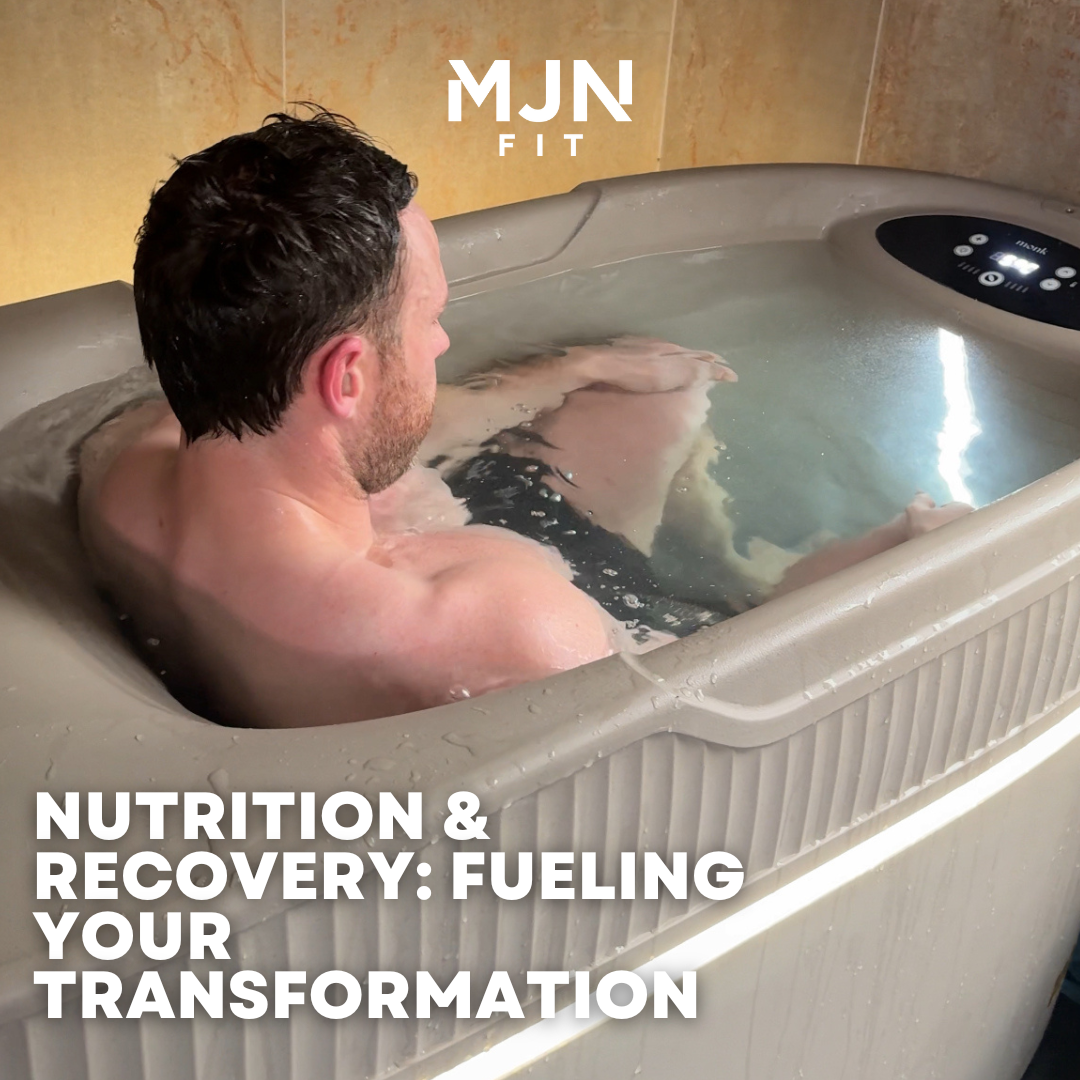
- Ice Baths: Cold therapy, such as ice baths, can reduce inflammation and muscle soreness after intense training sessions, helping to accelerate recovery.
- Saunas: Heat therapy in a sauna encourages blood flow and aids in muscle relaxation. The increased circulation can promote faster healing and alleviate stiffness.
- Breathwork: Controlled breathing exercises help manage stress, improve oxygenation, and foster a deeper mind-body connection. Integrating breathwork into your routine can support both mental and physical recovery.
The Role of Sleep
Never underestimate the restorative power of a good night’s sleep. During deep sleep, your body releases growth hormone—a critical component in muscle repair and recovery. Aim for 7–9 hours of quality sleep each night to maximise your recovery and prepare yourself for another productive day of training.
Coaching Insights from MJNFit
At MJNFit, our coaching philosophy is built on the understanding that every individual’s body is unique. We work closely with our clients to develop personalised nutrition strategies that align with their lifestyle and training goals. Whether you are a busy professional or a dedicated athlete, our tailored plans ensure you receive the right fuel at the right times.
Real-World Success Stories
We have witnessed remarkable transformations when clients combine smart nutrition with disciplined recovery routines. These real-world examples not only offer effective strategies but also inspire others to experiment with approaches that best suit their bodies.
Community and Accountability
One of the greatest strengths of the MJNFit community is the support and accountability it offers. Sharing your journey, whether through our coaching sessions or in-person meet-ups—creates a network where everyone works together towards the same goal: a healthier, stronger, and more balanced life.
Conclusion
Your transformation journey is not defined solely by the hours spent training; it is equally about how you nourish your body and respect the recovery process. By prioritising balanced nutrition and effective recovery—including advanced techniques like ice baths, saunas, and breathwork, you are setting yourself up for long-term success, both physically and mentally.
At MJNFit, we are here to support you every step of the way. Ready to take the next step? Explore our personalised coaching services and join a community that champions the power of holistic fitness. Fuel your transformation, with one nutritious meal, and one restorative night’s sleep at a time.